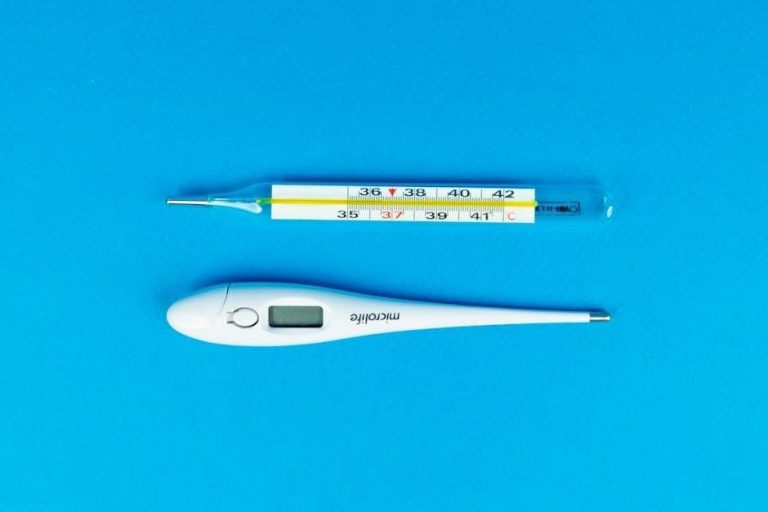
Goodbaby Thermometer Manual: A Comprehensive Guide
Goodbaby offers diverse products, including thermometers, strollers, and high chairs; ensuring proper use requires understanding the manual.
Reliable temperature measurement is now crucial, and following instructions is vital for safety and accuracy.
Understanding Your Goodbaby Thermometer
Goodbaby thermometers are designed for ease of use and accurate temperature readings, becoming essential household items, particularly given recent health awareness. These devices come in various types, catering to different needs – from forehead and ear models to traditional rectal thermometers.
Before first use, familiarize yourself with the specific features of your Goodbaby thermometer model. Understanding the display, buttons, and measurement modes is crucial. Always refer to the included instruction manual for detailed diagrams and explanations.
Proper functionality relies on correct operation and maintenance. Ensure you understand the temperature scales (Celsius and Fahrenheit) and how to switch between them. Regular checks for damage and adherence to safety precautions, including avoiding cross-contamination, are paramount for reliable results and user safety. Remember to check battery levels frequently.
Types of Goodbaby Thermometers Available
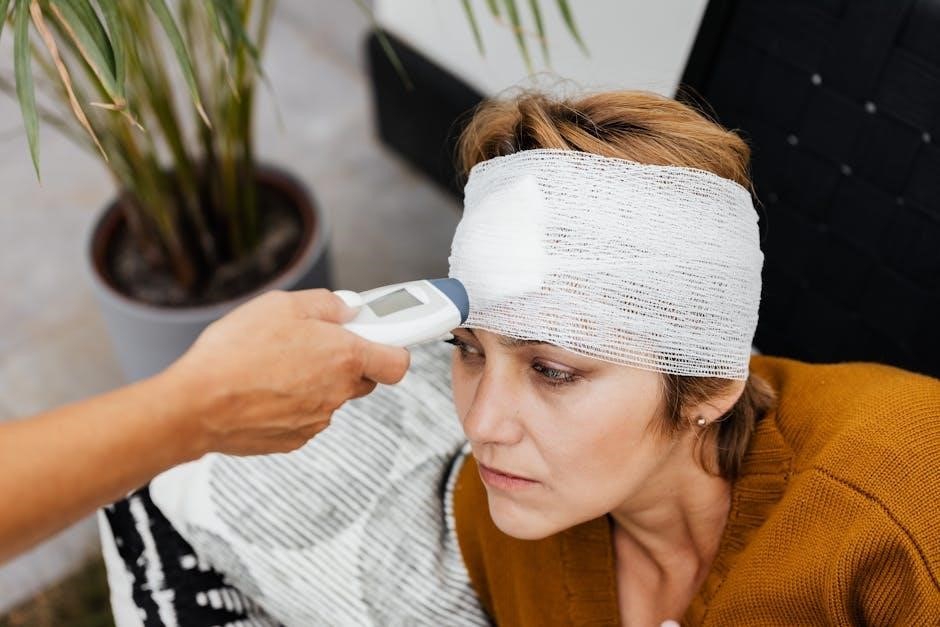
Goodbaby offers a range of thermometers designed to meet diverse needs, reflecting a commitment to comprehensive childcare solutions alongside products like strollers and high chairs. While specific models vary, common types include forehead (non-contact) thermometers, providing quick and hygienic readings.
Ear thermometers, offering rapid results, may also be available in the Goodbaby product line, though availability depends on the region and current inventory. Traditional rectal thermometers, while less common now, may be included for certain age groups, offering a highly accurate, albeit less convenient, measurement method.
It’s important to consult the official Goodbaby website or retailer listings to determine the exact models currently offered. Each type has specific instructions for use, detailed in its accompanying manual; Always prioritize the method recommended for the patient’s age and comfort level, ensuring accurate and safe temperature assessment.
Key Features of Goodbaby Thermometers
Goodbaby thermometers are designed with user-friendliness and accuracy in mind, complementing their broader range of baby products like car seats and feeding chairs. Key features often include a large, easy-to-read digital display, ensuring clear visibility of temperature readings. Many models offer a quick measurement time, crucial for restless infants or children.
Memory function is a common feature, allowing users to recall previous readings for tracking fever progression. Some thermometers incorporate fever alert systems, providing visual or auditory cues when a high temperature is detected.
Switching between Celsius and Fahrenheit scales is typically a standard feature, catering to different user preferences. Furthermore, automatic shut-off functionality helps conserve battery life. Always refer to the specific model’s manual for a complete list of features and detailed operating instructions, ensuring optimal performance and safety.
Setting Up Your Goodbaby Thermometer
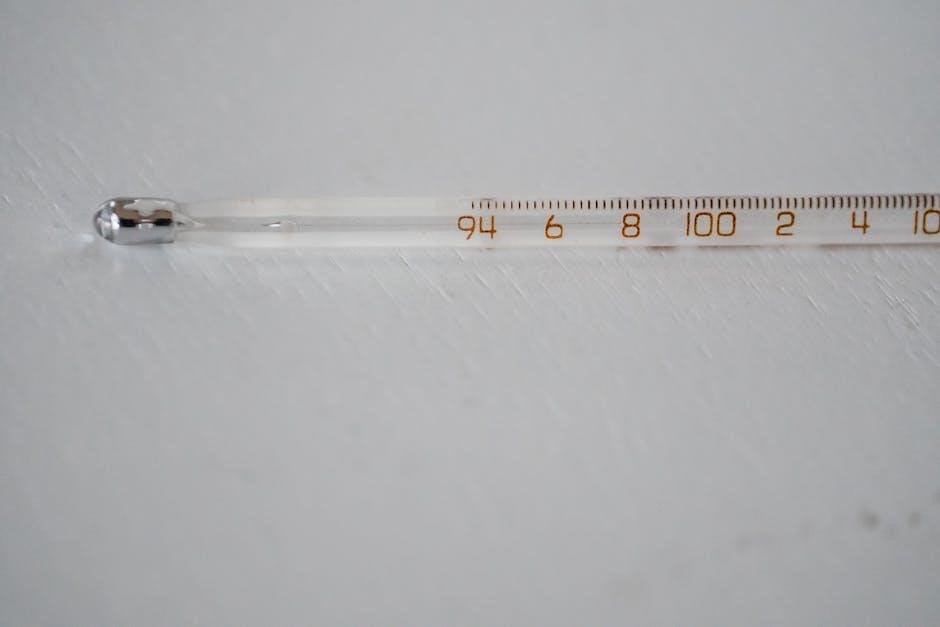
Before first use, carefully unpack your Goodbaby thermometer and all included accessories. Review the included instruction manual thoroughly to familiarize yourself with the device’s specific functions and safety precautions. Ensure all components are present and undamaged.
Initial setup typically involves inserting the batteries (see the ‘Installing Batteries’ section for details). Some models may require an initial calibration step to ensure accuracy; consult the manual for instructions if applicable.
Prior to taking a measurement, inspect the thermometer probe for any signs of damage or contamination. Familiarize yourself with the button layout and display indicators. Understanding these initial steps will contribute to accurate temperature readings and proper device operation, alongside other Goodbaby products.
Installing Batteries
To install batteries in your Goodbaby thermometer, locate the battery compartment, usually found on the back or underside of the device. Refer to your specific model’s manual for the exact location. Gently open the battery compartment cover – it may require a small screwdriver or a sliding mechanism.
Insert the correct type and number of batteries as indicated inside the compartment (typically AAA or AA). Pay close attention to the polarity markings (+ and -) and ensure the batteries are inserted correctly. Incorrect battery installation can damage the thermometer.
Once the batteries are in place, securely close the battery compartment cover. A properly installed battery will power the device and allow for accurate temperature readings. Always follow battery safety guidelines to prevent leakage or damage, especially when used with other Goodbaby items.
Initial Calibration (If Applicable)
Some Goodbaby thermometer models may require initial calibration to ensure accuracy. Check your specific model’s manual to determine if calibration is necessary. If required, the manual will provide detailed instructions on how to perform this process.
Calibration typically involves comparing the thermometer’s reading to a known, accurate temperature source. This might involve using a calibrated reference thermometer or following a specific procedure outlined in the manual. Any discrepancies should be carefully noted.
If the Goodbaby thermometer consistently deviates from the reference temperature, you may need to adjust the calibration settings according to the manual’s instructions. Proper calibration is crucial for reliable temperature measurements, especially when monitoring health conditions. Always prioritize accuracy and safety when using the device alongside Goodbaby strollers or high chairs.
Taking a Temperature Reading
Before taking a temperature, ensure the Goodbaby thermometer is clean and the batteries are properly installed. Select the desired measurement method – forehead, ear, or rectal – based on your model and the individual’s age. Refer to the manual for specific guidance on each method.
For accurate results, follow the instructions carefully. Position the thermometer correctly and hold it steady during the measurement process. Avoid movement or external factors that could influence the reading. The thermometer will typically emit a beep or display a signal when the reading is complete.
Record the temperature immediately after obtaining it. Remember to consider the individual’s activity level and environment when interpreting the reading, especially when used in conjunction with Goodbaby car seats or other products. Always prioritize safety and consult a healthcare professional if you have concerns.
Forehead Temperature Measurement
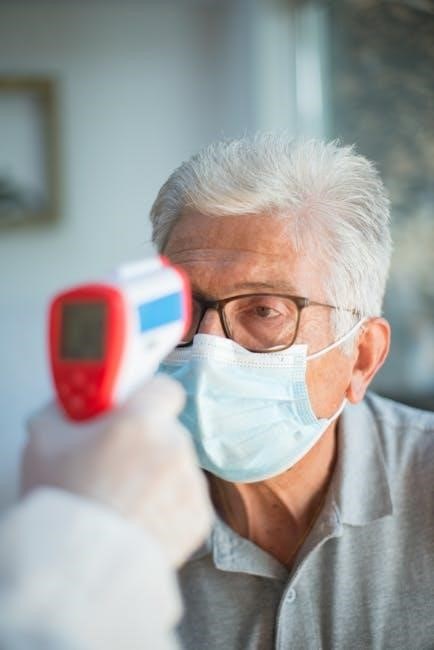
When using your Goodbaby thermometer for forehead readings, ensure the lens is clean and free from obstructions. Position the thermometer centrally on the forehead, approximately 1-3 cm away from the eyebrow line. Avoid areas covered by hair, sweat, or cosmetics, as these can affect accuracy.
Press the scan button and hold the thermometer steady until the beep signals completion. The reading will display on the screen within seconds. It’s crucial to follow the manual’s specific instructions for your model, as techniques may vary slightly.
Forehead readings are convenient, especially for infants and young children, and can be taken while they are sleeping. However, external factors like room temperature or recent activity can influence results. Always interpret readings in context and consult a healthcare professional if concerned, particularly when used alongside Goodbaby strollers or high chairs.
Ear Temperature Measurement (If Applicable)
If your Goodbaby thermometer features an ear probe, gently pull the ear upwards and outwards for adults and downwards and backwards for children under three to straighten the ear canal. Insert the probe gently into the ear canal, ensuring a secure but comfortable fit. Avoid forcing the probe, as this could cause discomfort or injury.
Press the scan button and hold the thermometer steady until the beep indicates completion. The temperature will display on the screen. Ear temperature readings are generally considered accurate when performed correctly, but can be affected by earwax or inflammation.
Always refer to the specific instructions in your Goodbaby thermometer manual for proper technique and interpretation. Remember to clean the probe after each use to prevent cross-contamination, especially when used in conjunction with other baby care items like Goodbaby car seats.
Rectal Temperature Measurement (If Applicable)
If your Goodbaby thermometer is designed for rectal use, apply a water-based lubricant to the probe tip. Gently position the baby face down across your lap or on a firm surface. Carefully insert the probe no more than 1/2 to 1 inch into the rectum.
Hold the thermometer steady until the beep signals completion of the reading. Rectal temperatures are generally considered the most accurate, but should be used cautiously and only when necessary. Always prioritize comfort and avoid any forceful insertion.
Consult your pediatrician for guidance on when rectal temperature measurement is appropriate, especially when considering use alongside other Goodbaby products like high chairs. Thoroughly clean and disinfect the probe after each use to maintain hygiene and prevent infection, ensuring safety for your little one.
Interpreting Temperature Readings
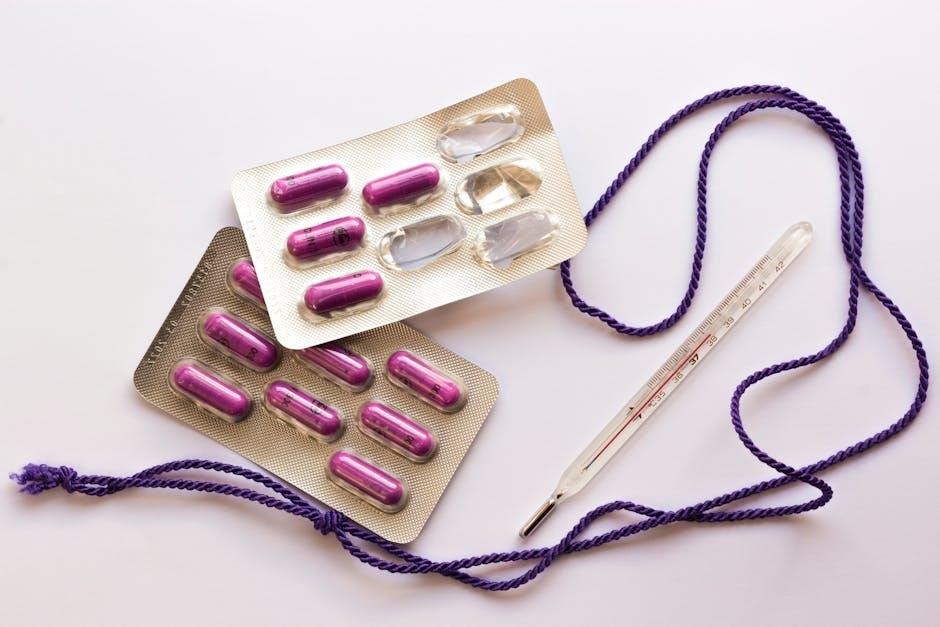
Understanding your Goodbaby thermometer’s readings is crucial for assessing your child’s health. Normal body temperature varies slightly, but generally falls between 97°F (36.1°C) and 99°F (37.2°C). A temperature of 100.4°F (38°C) or higher typically indicates a fever.
However, interpretation depends on the measurement site – rectal readings are generally higher than oral or axillary (armpit) readings. Always consider the child’s overall condition; a slight fever with no other symptoms may not require immediate medical attention.
If a fever persists, is accompanied by other symptoms like lethargy or difficulty breathing, or exceeds 102°F (38.9°C), consult a healthcare professional. Remember to check the thermometer’s settings for Celsius or Fahrenheit to ensure accurate interpretation, especially when using alongside other Goodbaby products.
Normal Temperature Ranges
Establishing a baseline understanding of normal temperature ranges is vital when using your Goodbaby thermometer. Generally, a normal body temperature is considered to be around 98.6°F (37°C), but this can fluctuate throughout the day. Variations are common and depend on activity level, time of day, and measurement location.
For oral readings, normal ranges typically fall between 97.6°F (36.4°C) and 99.6°F (37.6°C). Axillary (armpit) temperatures are usually 0.5°F (0.3°C) lower, while rectal temperatures are often 0.5°F to 1°F (0.3°C to 0.6°C) higher.
Infants and young children may have slightly higher normal temperatures. Always consult with a pediatrician to determine what constitutes a normal range for your child, especially when using the thermometer in conjunction with other Goodbaby baby care items like high chairs or car seats.
Fever Indicators and When to Seek Medical Attention
A temperature reading above the normal range, as determined previously, generally indicates a fever. For adults, a temperature of 100.4°F (38°C) or higher is typically considered a fever. In children, the threshold may be slightly lower, necessitating careful monitoring with your Goodbaby thermometer.
However, temperature alone isn’t always the sole indicator of illness. Observe for accompanying symptoms like lethargy, irritability, loss of appetite, or difficulty breathing. If a fever persists for more than a few days, or is accompanied by severe symptoms, seek medical attention promptly.
Always consult a healthcare professional for guidance, especially concerning infants and young children. Remember, proper thermometer use, alongside responsible care with other Goodbaby products, contributes to overall well-being. Don’t hesitate to seek professional advice when concerned.

Understanding Different Temperature Scales (Celsius & Fahrenheit)
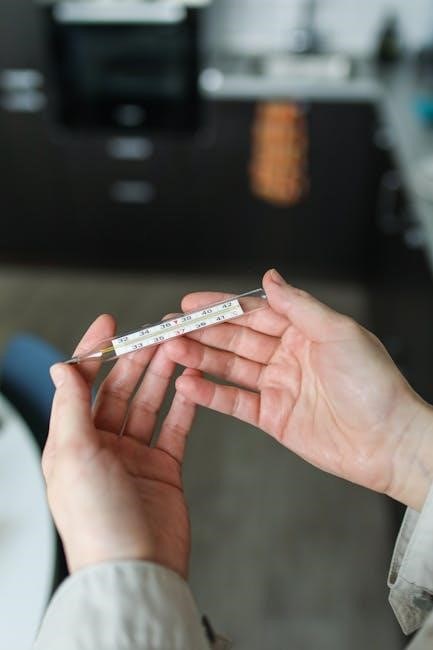
Your Goodbaby thermometer may display temperatures in either Celsius (°C) or Fahrenheit (°F). These are two different scales used to measure temperature, with varying reference points. Celsius is widely used internationally, while Fahrenheit is common in the United States.
The conversion formula between the two is: °F = (°C × 9/5) + 32. Conversely, °C = (°F ⎼ 32) × 5/9. Understanding this conversion is crucial for accurately interpreting readings and communicating them to healthcare professionals, especially when traveling or accessing medical information from different sources.
Many Goodbaby thermometers offer a switchable display, allowing you to choose your preferred scale. Ensure you are familiar with the selected scale before taking a reading. Accurate interpretation relies on knowing which scale your thermometer is currently using, ensuring appropriate care and response to temperature changes.
Cleaning and Maintenance
Maintaining your Goodbaby thermometer’s hygiene is essential for accurate readings and preventing the spread of germs. After each use, especially when measuring different individuals, thoroughly clean the thermometer probe. Use a soft cloth lightly dampened with isopropyl alcohol (70% is recommended). Avoid harsh chemicals or abrasive cleaners, as these can damage the sensor.
Ensure the alcohol has completely evaporated before storing the thermometer. Regular cleaning minimizes the risk of cross-contamination and ensures reliable performance. Inspect the thermometer for any signs of damage, such as cracks or a malfunctioning display.
Proper storage is also crucial; keep the thermometer in a cool, dry place, away from direct sunlight and extreme temperatures. Following these simple cleaning and maintenance steps will prolong the life of your Goodbaby thermometer and ensure its continued accuracy.
Disinfecting the Thermometer Probe
To effectively disinfect your Goodbaby thermometer probe, prioritize hygiene to prevent cross-contamination. After cleaning with a soft cloth dampened with isopropyl alcohol (70% concentration is ideal), allow the alcohol to sit on the probe for at least 30 seconds to ensure thorough disinfection. This dwell time is crucial for eliminating potential pathogens.

Always ensure the probe is completely dry before storing or using the thermometer again. Avoid immersing the entire thermometer unit in liquid, as this could damage the internal components. Regular disinfection, particularly after use on multiple individuals, is vital for maintaining a sanitary environment.
It’s important to note that while alcohol is effective, always refer to your Goodbaby thermometer’s specific manual for any manufacturer-recommended disinfection procedures or compatible solutions.
Proper Storage Techniques
Ensuring the longevity and accuracy of your Goodbaby thermometer relies on correct storage practices. Always store the thermometer in a cool, dry place, away from direct sunlight and extreme temperatures. Avoid storing it in humid environments like bathrooms, as moisture can damage the internal components.
Keep the protective cap on the probe when not in use to shield it from dust and potential damage. Remove batteries if the thermometer will not be used for an extended period to prevent corrosion and potential leakage. Store batteries separately in a dry location.
Handle the thermometer with care, avoiding drops or impacts that could affect its calibration. A dedicated storage case, if provided, is ideal for protection. Refer to your Goodbaby manual for specific storage recommendations.
Troubleshooting Common Issues
If your Goodbaby thermometer displays an error message, first ensure the batteries are correctly installed and have sufficient charge. A low battery can cause inaccurate readings or malfunctions. If the display is blank, replace the batteries immediately.
Inconsistent readings may indicate improper technique; review the “Taking a Temperature Reading” section of this manual. Ensure the probe is clean and free of obstructions. If the thermometer appears faulty, check for physical damage.
If issues persist, consult the warranty information for support. Do not attempt to disassemble or repair the thermometer yourself, as this will void the warranty. Always prioritize safety and accuracy; a malfunctioning thermometer should not be used. Refer to the manual for specific error code explanations.
Safety Precautions
When using your Goodbaby thermometer, always prioritize safety. Never use a damaged thermometer; inspect the probe and casing before each use. Keep the thermometer out of reach of children to prevent accidental ingestion of small parts, like batteries.
Avoid dropping the thermometer, as this can affect its accuracy; Do not expose the thermometer to extreme temperatures or direct sunlight. Always follow the disinfecting instructions to prevent cross-contamination, especially when taking readings from multiple individuals.

Dispose of used batteries responsibly, following local regulations. Ensure the thermometer is used only for its intended purpose – temperature measurement. Adhering to these precautions ensures safe and reliable operation, protecting both the user and the device.
Avoiding Cross-Contamination
Maintaining hygiene is crucial when using your Goodbaby thermometer, especially with multiple users. Always disinfect the thermometer probe before and after each use. Use a recommended disinfectant, such as isopropyl alcohol, and follow the manufacturer’s instructions carefully.
Ensure the probe is thoroughly dried after cleaning. Avoid sharing the thermometer without proper disinfection, as this can spread germs and infections. Consider using disposable probe covers for enhanced protection, particularly in clinical or shared settings.
Regularly inspect the probe for any cracks or damage that could harbor bacteria. Proper cleaning and disinfection are essential for preventing the transmission of pathogens and ensuring accurate temperature readings. Prioritize hygiene for a safe and reliable experience.
Battery Safety Guidelines
Your Goodbaby thermometer operates on batteries; adhering to safety guidelines is paramount. Always use the correct battery type as specified in the manual – incorrect batteries can damage the device or cause leakage.
When installing batteries, ensure correct polarity (+ and -) alignment. Do not mix old and new batteries, or different battery types. Remove batteries if the thermometer will not be used for an extended period to prevent corrosion.
Dispose of used batteries responsibly, following local regulations for battery recycling. Keep batteries out of reach of children, as they can be hazardous if swallowed. Never attempt to recharge non-rechargeable batteries. If leakage occurs, avoid contact with skin and eyes, and clean the battery compartment with care.
Warranty Information and Support
Goodbaby thermometers are covered by a limited warranty against manufacturing defects. The warranty period typically begins from the date of original purchase. Please retain your proof of purchase for warranty claims.
The warranty covers defects in materials and workmanship under normal use. It does not cover damage resulting from misuse, accidents, or unauthorized repairs. Any attempt to disassemble or modify the thermometer will void the warranty.
For warranty claims or technical support, contact the official Goodbaby representative in your region – in some areas, this is “Novo Baby”. Refer to the included documentation for specific contact details, or visit the Goodbaby website. Ensure you have your model number and purchase date readily available when contacting support.
Goodbaby Product Range & Thermometer Placement
Goodbaby offers a comprehensive range of baby products, including strollers, high chairs, and car seats, alongside essential health monitoring tools like thermometers. Understanding how a thermometer integrates into daily care routines is key.
When using a Goodbaby stroller or car seat, temperature monitoring is crucial, especially during travel. A quick temperature check before and after journeys can ensure your baby’s comfort. Similarly, while using a Goodbaby high chair during feeding, observing your child’s temperature can help detect early signs of illness.
Remember to always refer to the specific instructions for each Goodbaby product and the thermometer manual for optimal and safe usage. Prioritize your baby’s well-being by integrating temperature checks into their care routine.
Goodbaby Strollers and Thermometer Use
Goodbaby strollers provide comfortable transportation, but environmental temperature fluctuations can affect your baby’s well-being. Regularly monitoring your baby’s temperature during stroller outings is a proactive health measure.
Before placing your baby in the stroller, especially in varying weather conditions, use your Goodbaby thermometer to assess their baseline temperature. This helps identify any pre-existing fever or discomfort. During longer walks, periodically check for temperature changes, particularly if the stroller is exposed to direct sunlight or cold wind.
Remember, a slight temperature variation might indicate overheating or chilling. Adjust clothing or seek shade accordingly. Always consult the thermometer manual for accurate readings and safety guidelines. Prioritizing temperature checks while using a Goodbaby stroller ensures a safe and comfortable experience for your little one.
Goodbaby High Chairs and Thermometer Use
Goodbaby high chairs facilitate independent feeding, but mealtimes can sometimes coincide with a baby developing a slight fever. Monitoring your child’s temperature while they’re seated in their high chair is a prudent practice, especially during illness or teething.
Before mealtime, a quick temperature check with your Goodbaby thermometer can establish a baseline. Observe your baby for any signs of discomfort during feeding, such as fussiness or decreased appetite, which could indicate a rising temperature. A consistent temperature check ensures early detection of any potential health concerns.
Remember to disinfect the thermometer probe after each use, particularly when used near food preparation areas. Refer to the Goodbaby thermometer manual for detailed cleaning instructions and accurate temperature interpretation. Prioritizing temperature monitoring during mealtimes contributes to a safe and comfortable feeding experience.

Goodbaby Car Seats and Thermometer Use
Goodbaby car seats prioritize infant safety during travel, and maintaining a comfortable environment is crucial. While not directly related to car seat function, monitoring a baby’s temperature before and after a car ride can be beneficial, especially if the child appears unwell.
Long car journeys can sometimes cause subtle changes in a baby’s temperature due to variations in cabin climate. A quick temperature check with your Goodbaby thermometer before securing your child in the car seat establishes a baseline. After the journey, reassess to ensure no temperature fluctuations occurred.
Always prioritize safe car seat installation and usage as outlined in the Goodbaby car seat manual. Remember to disinfect the thermometer probe after each use, particularly if used outside the home. Consistent temperature monitoring contributes to overall infant well-being during travel.