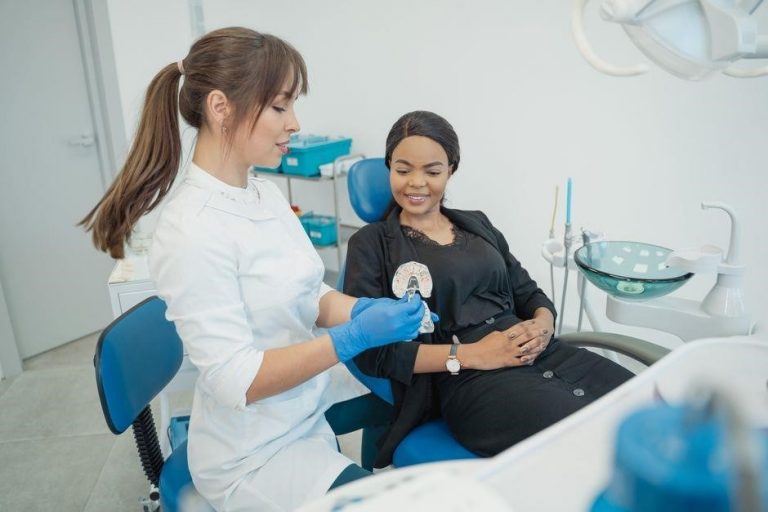
Overview of Oral Hygiene Instruction in Dental Practice
Oral hygiene instruction (OHI) is a preventive service documented in CDT codes․ Keeping coding books current ensures accurate billing, as counseling codes are listed among preventive services in the latest CDT edition․ Proper OHI documentation supports reimbursement․ Accurate code
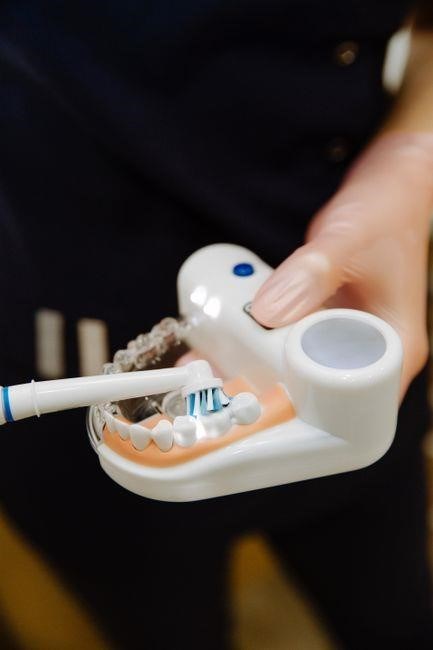
Oral Hygiene Instruction (OHI) is a patient‑centered educational encounter that equips individuals with knowledge, skills, and motivation to maintain oral health․ It covers brushing technique, interdental cleaning, fluoride use, diet counseling, and lifestyle changes․ The goal is to reduce plaque, prevent caries and periodontal disease, and empower patients to manage their care․ OHI is a core preventive component required for accurate coding and reimbursement under CDT, ICD‑10‑CM, and CPT․ Effective instruction uses hands‑on demonstrations, visual aids, written materials, and follow‑up reinforcement․ Documentation must capture content, time spent, and patient response to meet payer criteria․ Integrating OHI into routine visits improves oral outcomes, lowers restorative needs, and supports long‑term compliance․
In addition, OHI should be tailored to individual risk profiles, including smoking status, systemic disease, and socioeconomic barriers․ Risk‑based counseling improves adherence and can be documented with specific codes․ Digital tools—such as apps, video tutorials, and reminders—enhance retention of brushing instructions․ Interdisciplinary collaboration with hygienists, dietitians, and behavioral specialists amplifies OHI effectiveness․ Continuous quality metrics, like plaque index scores and patient surveys, provide objective evidence of impact and support reimbursement claims․
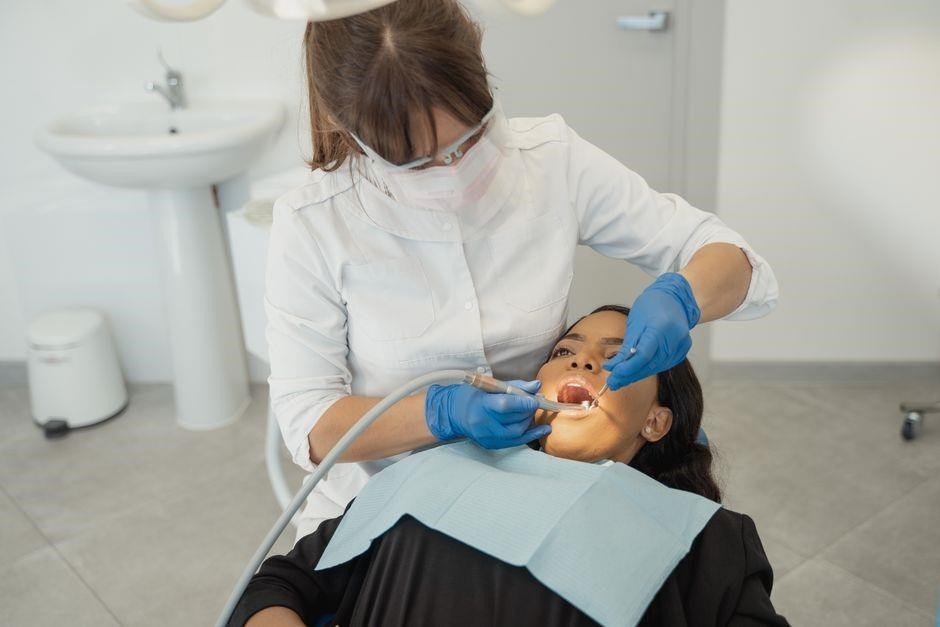
OHI also aligns with public health initiatives by reducing dental disease prevalence and lowering overall healthcare costs․ By documenting comprehensive instruction, clinicians can demonstrate value to payers and justify continued coverage of preventive services․
OHI sessions foster lifelong oral hygiene habits, contributing to overall well‑being․
Consistency matters!!
Role of OHI in Preventive Dentistry
Oral hygiene instruction (OHI) is the cornerstone of modern preventive dentistry, translating evidence‑based guidelines into actionable patient behavior․ By teaching proper brushing, interdental cleaning, and fluoride application, OHI directly reduces plaque accumulation, lowers caries incidence, and mitigates periodontal inflammation․ Risk‑based counseling tailors the message to individual factors such as age, systemic disease, and socioeconomic status, thereby enhancing adherence and clinical outcomes․ The instructional process also incorporates motivational interviewing, reinforcing self‑efficacy and long‑term habit formation․ Documentation of OHI is essential for accurate coding (CDT, ICD‑10‑CM, CPT) and for demonstrating value to payers, who increasingly require measurable preventive interventions․ Moreover, OHI fosters early detection of oral pathology through patient‑reported symptoms, enabling timely referrals․ Cost‑effectiveness studies consistently show that investing in OHI yields significant savings by preventing restorative procedures, reducing emergency visits, and decreasing overall treatment burden․ Regular OHI sessions reduce cardiovascular risk linked to periodontal inflammation․ Integrating OHI into electronic records aids audit trails and payer compliance․ Holistic OHI boosts oral health and patient confidence․ Evidence‑based OHI is central to contemporary dental care․!
Coding Systems for OHI
OHI coding relies on CDT, ICD‑10‑CM, and CPT frameworks․ CDT codes 99304/99305 capture counseling, while ICD‑10‑CM codes T74․1X4 and T74․1X5 document preventive instructions․ CPT modifiers 25 and 59 refine service context․ Accurate coding ensures reimbursement․ Accurate records help․ OK!
CDT Codes for OHI
The American Dental Association’s Current Dental Terminology (CDT) system provides specific codes for oral hygiene instruction (OHI)․ The most frequently used codes are 99304 and 99305, which represent brief and extended counseling sessions, respectively․ Code 99304 covers up to 15 minutes of patient education, while 99305 extends to 30 minutes․ Both codes require documentation of the time spent, the content of the instruction, and the patient’s understanding․ In addition, the CDT includes code 99306 for more comprehensive preventive counseling that may involve a family or group session․ Proper selection of these codes hinges on the duration and complexity of the instruction․ Accurate time tracking and detailed narrative documentation are essential for compliance and reimbursement․ Dental practices should maintain up-to-date coding manuals and training to ensure correct code usage․ The CDT also lists related codes for adjunctive preventive services, such as 99100 for preoperative oral hygiene instruction, which can be used when the instruction precedes a surgical procedure․ By adhering to these coding guidelines, clinicians can accurately reflect the value of preventive education in their billing records, thereby supporting both patient care and financial sustainability․ Clinicians should document the specific brushing technique, flossing frequency, and use of adjunctive devices to demonstrate instruction for care!!!!!
ICD-10-CM Codes for OHI Counseling
When billing for oral hygiene instruction, the ICD‑10‑CM system offers several counseling codes that capture the preventive nature of the service․ The most relevant code is Z71․6, “Counseling and advice on oral hygiene,” which is designed for dental hygienists and dentists․ When the instruction is part of a diet modification plan, Z71․3 (“Counseling and advice on diet”) can be appended, especially if the patient’s nutrition․ For broader health behavior counseling that includes oral hygiene as part of a comprehensive lifestyle plan,for allus Z71․5 (“Counseling and advice on health behavior”) may be used, provided the documentation clearly links the advice to oral care․ When the instruction is not strictly oral hygiene but involves general preventive education, Z71․8 (“Other counseling and advice”) or Z71․9 (“Counseling and advice, unspecified”) are acceptable fallback codes․ Accurate coding requires that the narrative in the chart explicitly states the counseling content, the duration, and the patient’s comprehension level․ Documentation should also reference the CDT code used for the service (e․g․, 99304 or 99305) to demonstrate alignment between clinical activity and the ICD‑10‑CM code․ Proper selection of these codes supports audit readiness and ensures that insurers recognize the preventive value of oral hygiene instruction․for allus
CPT Coding for Dental Counseling Services
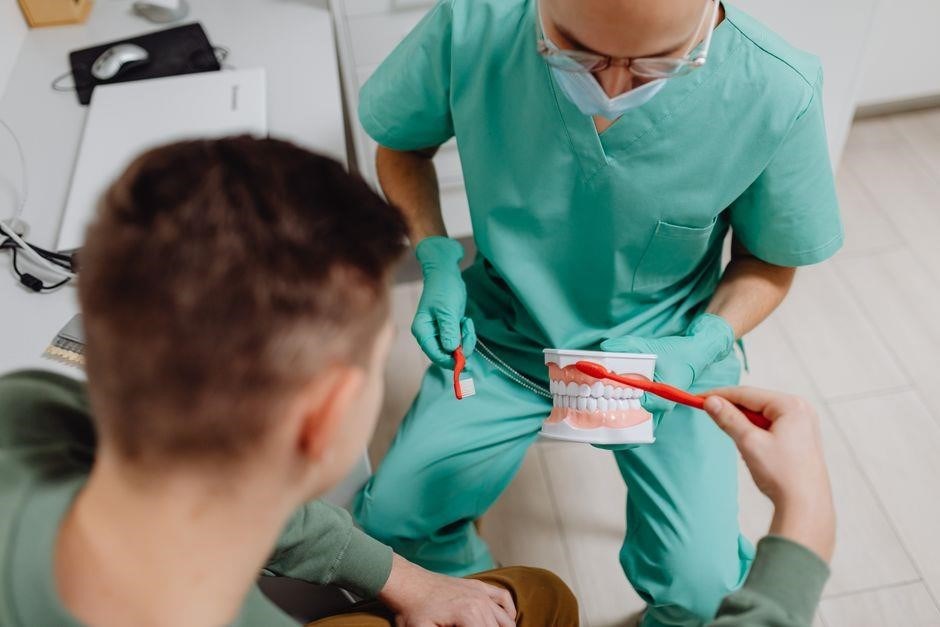
CPT codes 99304 and 99305 cover preventive counseling, including oral hygiene instruction․ These codes require 15‑minute increments, documented with time stamps and patient education details․ Accurate coding boosts reimbursement and audit compliance․ Use modifiers for extendedtime․
CPT Codes 99304 and 99305 for OHI
CPT 99304 and 99305 are the standard codes for preventive counseling, including oral hygiene instruction (OHI)․ 99304 covers a 15‑minute session; 99305 covers a 30‑minute session․ Both codes require documentation of the counseling content, time spent, and patient understanding․ The provider must record specific techniques taught, risk factors addressed, and any educational materials given․ Accurate time tracking in 15‑minute increments is essential for correct coding and reimbursement․
When billing with 99304 or 99305, the provider should include a concise note that references the patient’s risk factors, such as smoking status, periodontal disease history, or diabetes control, and how these influenced the instruction․ The note should also record any educational materials given, like brochures or videos, and whether the patient requested additional resources․ If the session exceeds the time allotted for the chosen code, the provider may use modifier 59 to indicate distinct service․ However, most payers prefer that the time stay within the code’s limits․ In cases where OHI is part of a comprehensive exam, the provider may bundle the counseling with the exam code, but must still document the counseling separately to satisfy audit requirements․ Accurate coding ensures compliance with the American Dental Association’s guidelines and supports optimal reimbursement for preventive care․ All codes comply and claim accuracy․
Modifiers and Documentation Requirements
Modifiers are essential for accurately reflecting the nature of oral hygiene instruction (OHI) services․ The most common modifier is 59, used when the counseling is distinct from other services performed during the same visit, such as a routine exam or restorative procedure․ Modifier 25 is applied if the OHI is a separate, significant, and independent service that requires a separate evaluation and management (E/M) code․ When OHI is bundled with a preventive exam, no modifier is needed; however, the provider must still document the counseling separately to satisfy audit requirements․ Documentation must include the exact time spent (in 15‑minute increments for 99304/99305), the specific techniques taught (e․g․, brushing, flossing, interdental cleaning), and any risk factors discussed (e․g․, smoking, diabetes, periodontal disease)․ The note should record patient understanding and any educational materials provided, such as brochures or videos․ Additionally, the provider should note any follow‑up plan or referrals for further care․ Accurate time tracking, clear description of services, and proper modifier use ensure compliance with payer policies and maximize reimbursement for preventive counseling services․ Providers should verify payer‑specific guidelines, as some insurers may require documentation such as risk assessment forms or signed consent․ Using coding templates can reduce denials and improve compliance for staff․
Dental Insurance Reimbursement for OHI
Reimbursement for OHI varies by payer․ Most plans cover 99304/99305 when documented with proper modifiers․ Denials often arise from missing time stamps or incorrect coding․ Appeals succeed when evidence of patient education and time spent is clear․ Attach docs to avoid denials and appeals․
Typical Payer Policies on OHI Coding
Insurance carriers generally treat oral hygiene instruction as a preventive benefit, often covering it under the same thresholds used for routine cleanings․ Most commercial plans reimburse CPT 99304 and 99305 when the provider documents at least 15 minutes of patient education, including brushing technique, interdental cleaning, and fluoride use․ Medicare Advantage and Medicaid programs may apply different time cutoffs, sometimes requiring 30 minutes for 99305 to qualify for full reimbursement․ Payers typically insist on the use of modifier 25 to indicate that the OHI was a distinct service․ Documentation must include a narrative of the educational content, the patient’s baseline knowledge, and the specific instructions given․ Some insurers allow bundling of OHI with a periodontal screening if the total time does not exceed 30 minutes, but separate coding is required if the patient receives additional counseling beyond the screening․ Failure to meet these criteria often results in partial or full denial․ To mitigate denials, practices should verify each payer’s policy before coding, use the correct modifier, and maintain detailed time logs․ Additionally, many payers now require that the OHI be performed within a 90‑day window of the last preventive visit to qualify for reimbursement․ By staying current with payer updates and aligning coding practices accordingly, clinicians can maximize reimbursement while ensuring compliance with regulatory standards․ Clinicians should also document any patient‑specific risk factors, such as smoking status or diabetes, to tailor the OHI and support reimbursement tiers․
Common Denial Reasons and Appeal Strategies
Insurance carriers frequently deny oral hygiene instruction claims for several reasons․ The most common include: missing or incorrect CPT codes, failure to attach modifier 25, inadequate documentation of time spent, and lack of evidence that the patient received individualized counseling․ Payers also reject claims when the OHI is bundled with another preventive service without proper separation, or when the documentation does not demonstrate that the instructions addressed the patient’s specific risk factors such as smoking, diabetes, or periodontal disease․ Additionally, claims may be denied if the service was performed outside the 90‑day window from the last preventive visit, or if the provider used a generic “cleaning” code instead of the dedicated OHI code․ To strengthen an appeal, clinicians should first review the denial letter for the exact reason and then submit a corrected claim with the proper code, modifier, and a concise narrative․ The narrative must detail the patient’s baseline knowledge, the specific techniques taught (e․g․, brushing angle, interdental cleaning, fluoride use), and the time spent․ Including a time stamp or a time‑tracking sheet can prove the 15‑minute threshold for 99304 or the 30‑minute threshold for 99305․ If the denial cites insufficient documentation of risk factors, the appeal should reference the patient’s medical history and any relevant clinical findings․ Finally, attaching a copy of the patient’s signed consent or education handout can provide tangible evidence of the counseling session․ By addressing each denial reason directly and providing clear, measurable evidence, clinicians can improve the likelihood of a successful appeal and secure appropriate reimbursement․ Practices should also verify payer‑specific guidelines before submitting claims to avoid common pitfalls․ Documentation should include a time‑tracking log, a summary of the educational content, and any patient‑specific risk factors addressed during the session․
Best Practices for Accurate OHI Coding
Use current CDT codes, attach modifier 25, document 15‑minute sessions, record patient risk factors․ Train staff on updates, audit claims, and keep coding books up to date to ensure compliance and reimbursement Ensure documentation signed
Documentation Templates and Time Tracking
Effective OHI coding hinges on standardized templates that capture all required data points: patient demographics, risk assessment, specific brushing and flossing techniques taught, and any adjunctive devices prescribed․ A typical template includes a checkbox section for brushing duration, frequency, and pressure, a narrative field for individualized instructions, and a time stamp that records the exact minutes spent․ Time tracking is essential because many payers require a minimum of 15 minutes for a full OHI claim․ To streamline this, clinicians can use electronic health record (EHR) modules that auto‑populate the CDT code and automatically log the duration once the provider clicks “start” and “stop․” For practices that still use paper charts, a laminated “OHI Time Sheet” can be affixed to the chart, with a 5‑minute interval tick system; the provider signs off after each interval․ Documentation must also include the patient’s risk level (e․g․, high, moderate, low) and any follow‑up plan․ Integrating these templates into the workflow, clinicians reduce audit risk, ensure compliance with modifier 25 usage, and maximize reimbursement for preventive services․ Regular audits of completed templates help identify gaps and reinforce consistent documentation practices across the team․
Digital timers integrated with the EHR automatically log start and end times, eliminating manual entry․ The system produces a printable summary for audit purposes, ensuring each OHI session meets payer requirements and supports accurate billing․
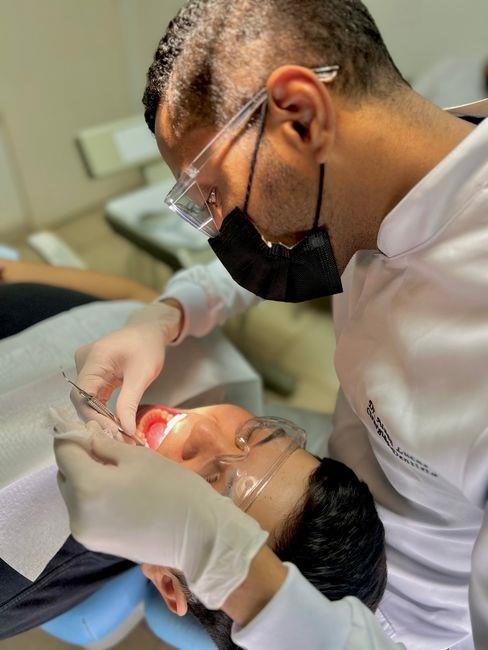
Clinicians should review the template quarterly to incorporate new guidelines and maintain compliance—accurate—update!!!
Done
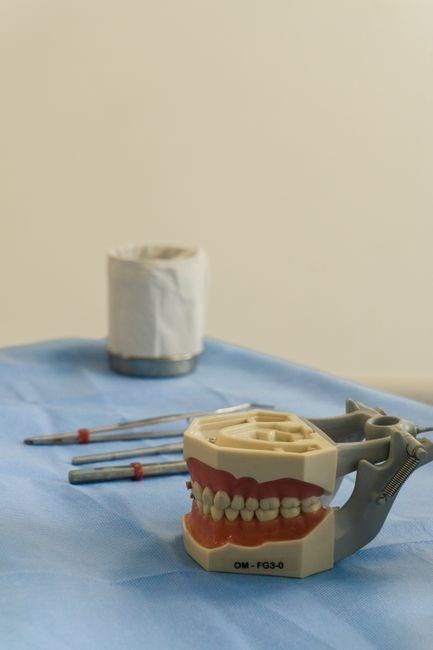
Staff Training on Code Updates
To maintain compliance with evolving CDT and ICD‑10‑CM guidelines, practices should schedule quarterly training sessions focused on recent code revisions․ These sessions can be delivered via live webinars, in‑person workshops, or interactive e‑learning modules․ Staff must review the most recent CDT manual, noting any new OHI codes, changes in modifier requirements, and updated documentation thresholds․ Emphasis should be placed on the 15‑minute minimum for OHI claims and the correct application of modifier 25 when a separate procedure is performed․ Practical exercises—such as mock chart reviews—help reinforce the correct code selection and documentation language․ Additionally, a quick reference cheat sheet summarizing key code changes should be posted in the billing area and emailed to all coders and clinicians․ Ongoing education is essential; a quarterly “code‑update” newsletter can highlight any payer policy adjustments or audit findings․ By embedding code‑update training into the annual compliance calendar, practices reduce denial rates, improve reimbursement accuracy, and ensure that every team member is equipped to capture the full value of preventive oral hygiene services․
Regular refresher courses, including case‑based discussions, help staff stay current with payer nuances․ A quarterly audit of coded claims identifies gaps early, allowing retraining and reducing claim denials․
Training better coding․