
Exploring the controversial realm of digital prayer texts, this overview examines how easily downloadable PDFs can spread unsettling content. It highlights the ease of access, the anonymity of online sharing, and the potential for widespread influence. This analysis underscores responsible digital stewardshipnow.

Understanding Dangerous Prayers
Delving into the concept, this section defines what constitutes a dangerous prayer, noting its potential to invoke harm or manipulate belief; It outlines key criteria, such as malicious intent, supernatural appeal, and the risk of psychological distress. Such texts often spread through anonymous channels, their reach.!!
2.1 Definition of Dangerous Prayers
Dangerous prayers are textual or spoken invocations that intentionally seek to influence supernatural or metaphysical forces in ways that can cause harm, distress, or unlawful outcomes. They often blend ritualistic language with explicit requests for negative outcomes—such as curses, misfortune, or the empowerment of malevolent entities. The definition hinges on three core elements: intent, content, and potential impact. Intent refers to the author’s or reciter’s purpose to produce adverse effects, whether personal, communal, or societal. Content encompasses the specific wording, symbolism, and invocation of entities or forces that are traditionally considered harmful or forbidden. Potential impact evaluates the likelihood that the prayer will be believed, acted upon, or shared, thereby amplifying its reach and effect. Because digital formats like PDFs can be copied and distributed globally, the reach of dangerous prayers is magnified. In legal and ethical contexts, these texts may cross boundaries of free expression, entering the realm of incitement or psychological harm. Scholars and practitioners emphasize the importance of contextual analysis, cultural sensitivity, and the potential for misinterpretation when assessing whether a prayer is truly dangerous. The dynamic nature of online communities means that even seemingly innocuous phrases can evolve into harmful practices when adopted by groups with malicious intent. Consequently, defining dangerous prayers requires a multidisciplinary approach, incorporating theology, psychology, law, and digital media studies to fully grasp the risks and responsibilities involved. This definition serves as a foundation for subsequent sections that explore historical usage, thematic patterns, and the broader implications of distributing such content in PDF form. Furthermore, the digital permanence of PDFs means that once a dangerous prayer is uploaded, it can be archived, mirrored, and accessed by future generations, potentially perpetuating harmful beliefs long after the original author’s intent fades. This enduring presence underscores the necessity for vigilant monitoring and responsible handling of such documents. Educational initiatives that teach critical appraisal of religious texts can empower users to recognize and reject dangerous content before it spreads.
2.2 Historical Context
Throughout history, societies have recorded prayers that invoke harm or control over others. From medieval grimoires to modern occult manuals, these texts often mirror prevailing fears and power structures. In the Middle Ages, grimoires such as the “Malleus Maleficarum” contained curses aimed at witches, reflecting societal attempts to marginalize dissent. The Renaissance saw the rise of alchemical and hermetic traditions, where practitioners composed invocations to summon spirits for personal gain, sometimes at the expense of others. The 19th and 20th centuries introduced new forms of occult literature, including the “Book of the Law” and various Satanic rituals, which were widely disseminated through pamphlets and later through early digital archives. The advent of the internet amplified these practices; forums and file‑sharing networks allowed dangerous prayers to spread beyond niche communities. In recent decades, PDF files have become a convenient vector for distributing such content, preserving formatting and ensuring easy replication. Historical patterns reveal that dangerous prayers often emerge during periods of social upheaval, when marginalized groups seek to assert agency or when dominant powers fear dissent. The persistence of these texts underscores the enduring human fascination with the supernatural, as well as the ethical challenges posed by unrestricted digital access. Understanding this context is essential for recognizing how contemporary digital platforms can both preserve and propagate harmful spiritual practices. These documents were often circulated in societies, where boundaries between ritual and threat blurred. The digital age has accelerated this transmission, enabling instant access and global reach. Consequently, scholars emphasize the importance of contextual literacy to mitigate the spread of harmful spiritual content.
Common Themes in Dangerous Prayers
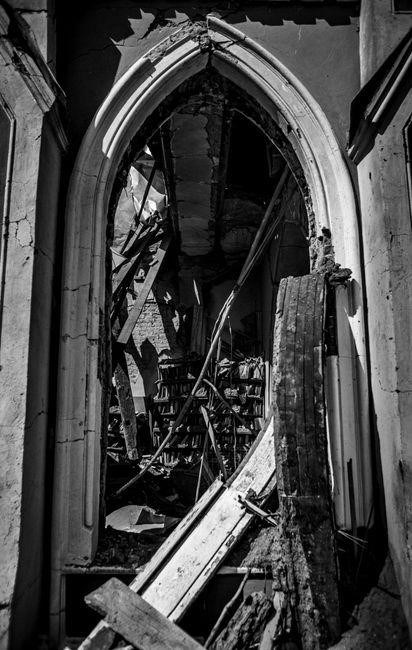
Dangerous prayers often share themes: invoking malevolent forces, demanding harm, promising power, exploiting fear. They manipulate language to justify violence, embed curses, and create urgency, fostering belief in supernatural influence over reality. It fuels fear, spreading rituals that reinforce superstition!
3.1 Invocation of Dark Forces
In digital prayer compilations, the phrase “invocation of dark forces” describes a ritualistic appeal to malevolent entities. The text usually begins with an opening line that establishes a connection to the unseen, followed by commands demanding the presence of a specific spirit or demon. The language is archaic, using words like “summon,” “bind,” or “conjure” to evoke ancient power. The PDF format allows these instructions to be shared globally, enabling individuals to replicate the ritual without guidance from a traditional practitioner. Key elements include explicit identification of the entity, detailed preparation steps such as lighting candles, drawing sigils, or chanting syllables, promises of personal gain—power, revenge, or protection—in exchange for the entity’s cooperation, and warnings that failure to follow instructions precisely can lead to unintended consequences. Because the PDF is static, it lacks dynamic feedback that a live ritual might provide, which can lead to misinterpretation. The anonymity of the internet means many can download and practice these invocations without accountability, increasing potential harm. This blending of instruction and imagery is a hallmark of dangerous prayer PDFs, making them persuasive to susceptible audiences. The combination of promise, anonymity, and ritualistic structure makes the invocation of dark forces a potent tool for influencing belief and behavior. These documents often claim that following the ritual will grant the practitioner control over fate, allowing them to manipulate outcomes in financial matters. Such assurances tap into deep fears and desires, reinforcing the perceived efficacy of the dark invocation. Readers often report a heightened sense of control, yet the outcomes remain uncertain. Now! Caution

3.2 Intentional Harm
In the realm of digital prayer compilations, the concept of intentional harm refers to explicit instructions that aim to inflict physical or psychological damage upon a target. These PDFs often present step‑by‑step protocols, combining ritualistic language with concrete actions such as setting traps, using cursed objects, or manipulating social networks to isolate the victim. The text typically begins with a declaration of intent, followed by a list of required materials—often mundane items like paper, ink, or household chemicals—reframed as sacred tools. The ritual instructions emphasize precision: the timing of the act, the alignment of celestial bodies, or the recitation of specific phrases at a particular hour. By embedding these details in a downloadable format, the author removes the need for a mentor, allowing the reader to act independently. The PDF’s static nature can create a false sense of safety, as the reader may believe that following the written steps guarantees success. However, the lack of real‑time guidance increases the risk of misinterpretation, potentially leading to unintended consequences. The danger is amplified by the anonymity of online distribution, which shields the creator from legal repercussions and encourages the spread of these harmful directives. The combination of ritualistic fervor, precise instructions, and the promise of control over another’s fate makes intentional harm a powerful and insidious element within these digital prayer texts. Readers who engage with such content may experience a distorted sense of agency, believing they can orchestrate outcomes that defy natural laws, while the reality often involves psychological distress, legal ramifications, or physical injury. The ethical implications are profound, as the author’s responsibility extends beyond the text to the potential harm inflicted on unsuspecting victims. Vigilance and critical scrutiny are essential when encountering such content, as the line between faith and manipulation can blur rapidly. The end. The dissemination of such PDFs raises critical questions about digital literacy, the responsibility of platforms, and the need for robust content moderation policies that balance freedom of expression with the protection of vulnerable individuals from manipulation and harm. Such content demands proactive regulation to safeguard society. stay. now
PDF Format and Distribution
PDFs offer a portable, searchable format that facilitates widespread sharing across forums, cloud services, and peer‑to‑peer networks. Their static nature preserves content integrity, while metadata can conceal authorship, enabling anonymous distribution and easy replication. This format also encrypts content safely!

4.1 Digital Accessibility
Digital accessibility refers to the ease with which individuals can locate, open, and read PDF documents across a variety of devices and platforms. In the context of dangerous prayer PDFs, this attribute is amplified by the ubiquity of smartphones, tablets, and laptops, each equipped with built‑in PDF readers or third‑party applications that support annotations, search functions, and text‑to‑speech conversion. The ability to instantly download a file from an anonymous link, store it in a cloud folder, or share it via messaging apps removes traditional gatekeeping mechanisms, allowing potentially harmful content to reach a global audience in seconds. Moreover, modern operating systems automatically index PDFs for search engines, making it possible for users to stumble upon these documents through seemingly innocuous queries. Accessibility is further enhanced by the use of metadata tags that can embed keywords, author names, and publication dates, thereby improving discoverability while simultaneously obfuscating the source. For individuals with visual impairments, screen readers can interpret the text within these PDFs, inadvertently exposing them to disturbing material. The combination of cross‑platform compatibility, rapid dissemination, and automated indexing creates a potent vector for the spread of dangerous prayers, underscoring the need for vigilant monitoring and robust digital literacy initiatives to mitigate the risks associated with this form of content.
In addition, the lightweight nature of PDF files—often under a few megabytes—facilitates their transmission over bandwidth‑constrained networks, ensuring that even users in remote regions can access them without significant data costs. The format’s resistance to corruption and its ability to embed hyperlinks further extend its reach, allowing malicious actors to link to supplementary resources or redirect readers to other sites hosting related content. Consequently, the digital accessibility of dangerous prayer PDFs is a strategic advantage that enables the rapid, anonymous, and wide‑scale distribution of content that can influence beliefs and behaviors across diverse groups.

4.2 Anonymity and Hosting Platforms
Anonymity is a cornerstone of the digital ecosystem that shelters the distribution of dangerous prayer PDFs. By leveraging pseudonymous accounts, encrypted messaging services, and privacy‑focused file‑sharing networks, creators can conceal their identities while still ensuring that their material reaches a wide audience. Hosting platforms such as decentralized cloud storage, peer‑to‑peer networks, and anonymous web hosts provide the infrastructure needed to store and serve files without exposing the uploader’s location or personal data. These platforms often employ end‑to‑end encryption, making it difficult for law enforcement or content moderators to trace the origin of a document. Additionally, the use of domain masking, proxy servers, and virtual private networks (VPNs) further obscures the source, allowing malicious actors to rotate hosting addresses rapidly in response to takedown requests. The combination of anonymity and robust hosting solutions creates a resilient pipeline that can adapt to censorship efforts, ensuring that dangerous prayer PDFs remain accessible even under scrutiny. Consequently, the threat posed by these documents is amplified by the ease with which they can be uploaded, shared, and retrieved while maintaining a veil of secrecy around their creators. Such anonymity is further reinforced by the use of blockchain‑based file‑hosting services that record immutable hashes, enabling users to verify integrity while the original uploader remains hidden behind a cryptographic key, thus complicating attribution efforts.!!!!

Psychological Impact on Readers
Readers exposed to dangerous prayer PDFs often experience heightened anxiety, intrusive thoughts, and a distorted sense of reality. The content manipulates fear, fostering a sense of helplessness and reinforcing superstitious beliefs that can alter perception and behavior. This can spark anxiety and sleepless deepnights.
5.1 Fear and Anxiety Induction
When individuals encounter PDFs containing ominous prayers, the psychological response often begins with a surge of dread. The ritualistic language, coupled with vivid imagery, triggers the amygdala, the brain’s fear center, causing an immediate spike in cortisol and adrenaline. This biochemical cascade manifests as racing thoughts, rapid heartbeat, and a sense of impending doom. The text’s repetitive phrasing can create a hypnotic loop, reinforcing the belief that the reader is under supernatural threat. Over time, repeated exposure may lead to chronic anxiety disorders, as the mind struggles to differentiate between symbolic narrative and real danger. Sleep disturbances, irritability, and hypervigilance become common symptoms. Moreover, the content can erode trust in rational coping mechanisms, pushing readers toward superstition or seeking external validation from fringe communities. In extreme cases, individuals may develop phobias related to the specific themes presented, such as fear of darkness, certain words, or rituals described. The cumulative effect is a profound alteration in emotional regulation, making everyday stressors feel amplified and threatening. These psychological effects underscore the necessity for critical media literacy and proactive mental health support when encountering such content! Additionally, the spread of such PDFs can normalize fear-based narratives, making it harder for individuals to distinguish between legitimate spiritual practices and manipulative content. Suchcontent can erode trust in community guidance encourage isolation and dread!!!!!!!!
5.2 Cultivation of Superstitious Beliefs

PDFs that embed cryptic invocations can subtly reshape a reader’s worldview, steering them toward ritualistic certainty. The repeated phrasing of ominous rites, coupled with evocative imagery, reinforces the notion that unseen forces govern daily outcomes. As the mind cycles through these passages, it begins to attribute causality to symbols rather than evidence, fostering a belief that specific words or gestures can alter fate. This cognitive shift is amplified by the anonymity of digital distribution; readers often lack a critical framework to question the legitimacy of the content. Over time, the internalization of such narratives can erode reliance on empirical reasoning, replacing it with a reliance on prescribed rituals to ward off perceived threats. The effect is a gradual erosion of skepticism, as individuals start to interpret coincidences as confirmations of the prayers’ efficacy. In communities where these PDFs circulate, the collective belief in supernatural influence can solidify, creating echo chambers that reinforce superstitious practices. This phenomenon not only perpetuates irrational fear but also encourages the adoption of harmful traditions, such as self‑harm rituals or the exclusion of dissenting voices. Ultimately, the cultivation of superstitious beliefs through these digital texts demonstrates how easily modern media can reshape cognitive patterns, steering audiences toward a worldview that privileges mysticism over measurable reality. The challenge lies in fostering media literacy that empowers readers to discern symbolic storytelling from actionable guidance, thereby safeguarding mental well‑being and preserving critical thought. Such transformations are not merely theoretical; studies in cognitive psychology reveal that repeated exposure to ritualistic language can alter neural pathways associated with belief formation. When individuals repeatedly engage with these PDFs, the brain’s reward circuits are activated, reinforcing the behavior and making the superstitious practices feel intrinsically satisfying. This neurobiological feedback loop can entrench the belief system, making it resistant to counterarguments. Consequently, individuals may withdraw from scientific discourse, seeking validation exclusively within the confines of the digital ritual. This isolation further amplifies the influence of the PDFs, as the lack of external critique allows the superstitious narrative to flourish unchecked. The broader societal implication is a potential erosion of rational public discourse, as communities become fragmented along lines of belief in unseen forces. Addressing this requires a multifaceted approach, including educational initiatives that promote critical thinking, psychological support for those affected, and regulatory oversight of platforms that facilitate the spread of such content. Only through concerted effort can the cultivation of superstitious beliefs be mitigated, preserving individual autonomy and societal cohesion. In sum, the digital proliferation of these PDFs underscores the urgent need for vigilance, education, and policy to protect vulnerable minds from the seductive pull of superstition. By cultivating a culture of skepticism and evidence‑based reasoning, society can counteract the subtle yet powerful influence of such content, ensuring that faith remains a personal, informed choice rather than a manipulated tool. Continuous dialogue and community engagement are essential to sustain this protective stance.

Legal and Ethical Considerations
When digital prayer documents are shared without oversight, they raise complex legal questions about freedom of expression, defamation, and potential incitement. Jurisdictions differ on what constitutes protected speech versus actionable content, especially when the material encourages harmful behavior or targets vulnerable groups. Courts often balance First Amendment rights against the risk of psychological harm, leading to nuanced rulings that may restrict distribution, require age verification, or mandate content warnings. Ethical frameworks, meanwhile, emphasize the duty to prevent harm, respect user autonomy, and maintain cultural sensitivity. Content creators face responsibilities to avoid exploiting fear, to provide accurate context, and to refrain from perpetuating misinformation. Platforms hosting these PDFs must navigate liability concerns, implementing moderation policies that distinguish between legitimate spiritual practice and malicious intent. Transparency in policy enforcement, clear reporting mechanisms, and collaboration with mental health professionals can mitigate adverse outcomes. Additionally, international cooperation is crucial, as cross‑border sharing bypasses local regulations, necessitating harmonized standards and shared best practices. Ultimately, a multidisciplinary approach—combining legal safeguards, ethical oversight, and technological solutions—offers the best protection against the misuse of digital prayer materials while preserving legitimate spiritual expression. Legal scholars argue that balancing free speech with public safety requires transparent guidelines, while civil society advocates push for educational campaigns that demystify such content and empower users to critically assess its claims. These measures aim to protect mental well‑being preserving spirituality today!